GAMSTOP and Self-Exclusion for UK Online Gambling
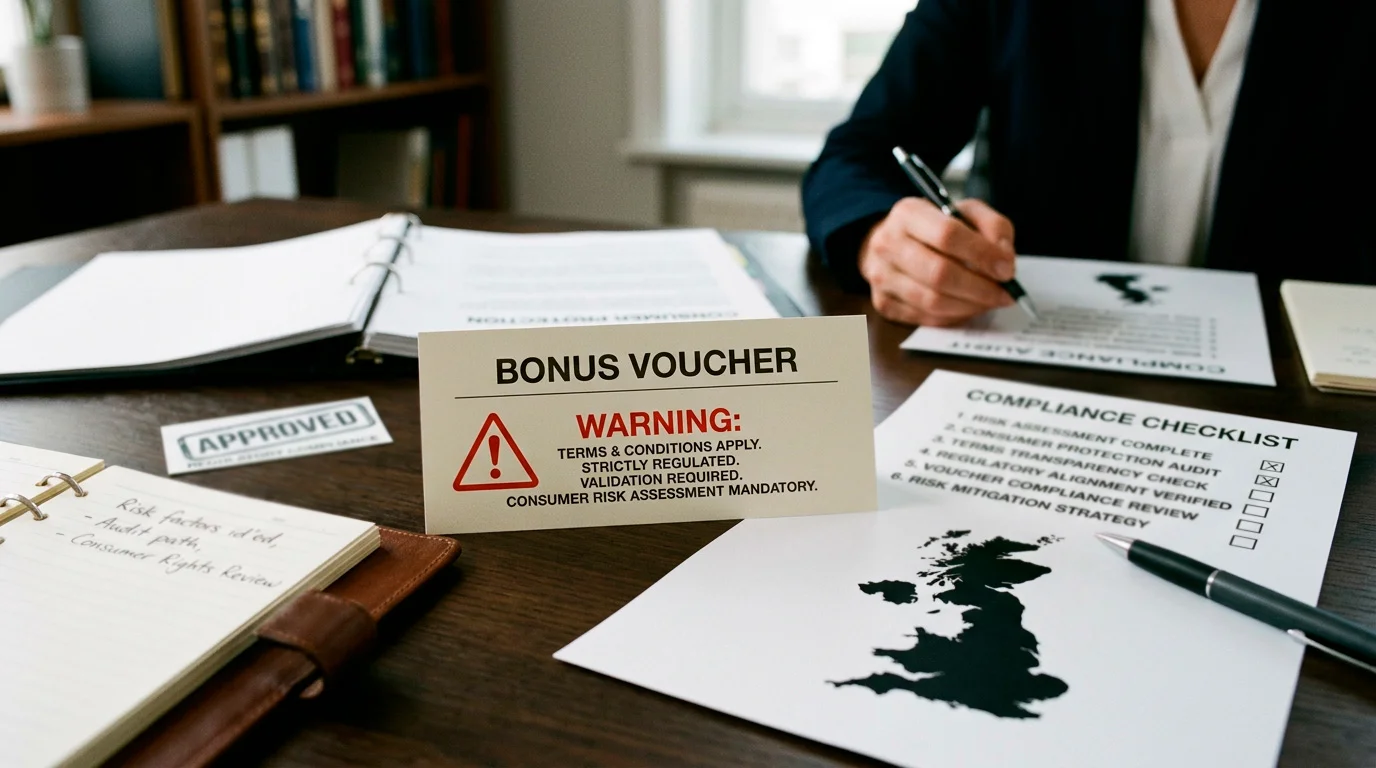
GAMSTOP self exclusion is a UK online gambling safety mechanism, not proof that Space Casino is licensed, available or integrated with the Great Britain self-exclusion system. UKGC guidance says self-exclusion lets a person ask to be excluded from gambling, and GAMSTOP allows self-exclusion from online operators with one request. GAMSTOP’s own wording focuses on gambling companies licensed in Great Britain. For Space Casino research, that means the safer question is not whether a restricted brand can be used around GAMSTOP. The safer question is whether any gambling site being considered is properly licensed, has clear self-exclusion arrangements, and does not encourage anyone to avoid protective tools.

Table of Contents
- What self-exclusion means
- What GAMSTOP covers
- How to read GAMSTOP in a Space Casino review
- Signals that a page is handling self-exclusion badly
- Support resources to know about
- Where GAMSTOP sits in the wider UK rules cluster
- A practical self-exclusion checklist for researchers
- Self-exclusion should not be treated as a comparison feature
- How readers can use this page safely
- Reader safety signal
What self-exclusion means
Self-exclusion is for people who want support to stop gambling. In the UKGC’s public guidance, it is a formal agreement not to gamble for a period of time. If a person tries to gamble during that time, the gambling business must take reasonable steps to stop them. The guidance also points to additional support, including blocking software and organisations that can help.
That matters because self-exclusion is not just an account setting or a marketing label. It is a consumer-safety mechanism. A serious UK-facing review should never frame missing self-exclusion coverage, offshore status or unclear licensing as an advantage. For readers researching Space Casino, the official terms already create a UK restriction caveat. The self-exclusion question adds another layer: do not look for routes that weaken UK protections.
What GAMSTOP covers
GAMSTOP is the UK online self-exclusion scheme used for online gambling websites and apps run by gambling companies licensed in Great Britain. The Gambling Commission describes GAMSTOP Online as a way to self-exclude from online operators with one request. GAMSTOP’s registration page says the block can cover six months, one year, five years or five years with auto-renewal, and that it can take up to 24 hours for a block to become effective.
This coverage detail is important. It does not establish that Space Casino is part of GAMSTOP. It does not establish that Space Casino has an active Great Britain remote gambling licence. It does not make a Curaçao licence equivalent to a GB licence. A cautious page should therefore use GAMSTOP as a safety benchmark and scope check, not as a brand endorsement.
An important practical detail is that GAMSTOP depends on accurate identifying information. GAMSTOP explains that it checks the personal details supplied at registration against details used with gambling operators, so keeping those details up to date can help the block work effectively. It also says a registration cannot be cancelled during the chosen exclusion period. For a researcher, that reinforces a simple point: self-exclusion is designed to create real friction, not a temporary preference toggle. Any casino page that treats that friction as something to avoid is working against the purpose of the system.
How to read GAMSTOP in a Space Casino review
| Research point | Safe interpretation | Unsafe interpretation |
|---|---|---|
| GAMSTOP coverage | Use it to understand online self-exclusion for operators licensed in Great Britain. | Do not assume Space Casino is covered unless verified evidence says so. |
| UK restriction | Space Casino terms list United Kingdom residents among customers not accepted. | Do not present self-exclusion wording as a route to registration, play or withdrawal. |
| Safety resources | Point readers toward official self-exclusion and support resources where needed. | Do not invent counselling services, staff promises or personal medical advice. |
Signals that a page is handling self-exclusion badly
A page is risky if it treats GAMSTOP as an obstacle, says a non-GAMSTOP casino is better because it is easier to access, or suggests workarounds. It is also risky if it uses responsible-gambling language while still pushing registration, deposit, bonus or play instructions to people in a restricted jurisdiction. Those patterns turn a safety topic into a conversion tactic.
For this site, the editorial rule is the opposite. There are no sign-up prompts, no deposit instructions, no bonus codes, no location-masking hints and no claims that Space Casino accepts UK residents. The Registration and KYC Caveats page explains why account-opening language must remain cautious, and the Complaints and Disputes What Is Verified page separates official Space Casino complaints facts from UK ADR assumptions.
Support resources to know about
The Gambling Commission lists the National Gambling Helpline, operated by GamCare, as a confidential advice and support route available every day. Its support pages also identify NHS, debt and emotional-support organisations that may be relevant for people affected by gambling harm. This page does not provide medical, legal, debt or counselling advice, and it does not replace those services.
Readers who feel unable to control gambling should prioritise support before any casino research. A brand review, licence check or tax explainer cannot make a harmful situation safer on its own. Self-exclusion, bank gambling blocks, blocking software and direct support can work together, and GAMSTOP itself notes that combining tools can strengthen protection.
Where GAMSTOP sits in the wider UK rules cluster
GAMSTOP is connected to several other checks, but it should stay precise. It is not a general responsible-gambling article and it is not a full licensing page. Licence scope is covered in the Review Availability, Licence and Safety Check. The wider UK rules sequence is organised in the Casino Rules for Researchers hub.
It also connects to slots and bonus claims. The Online Slots Stake Limits and Game Claims page explains why Great Britain game-protection rules cannot be used as Space Casino access evidence. The same logic applies here: GAMSTOP proves the importance of protective tools in the licensed market, not the availability of a restricted offshore brand.
A practical self-exclusion checklist for researchers
- Check whether the operator is licensed in Great Britain before assuming GAMSTOP coverage.
- Check whether the page describes self-exclusion as a protection rather than an inconvenience.
- Check whether any restriction warning appears before commercial claims or bonus wording.
- Check whether support resources are named accurately and not invented by the review site.
- Check whether the content avoids access, payment and account instructions for restricted readers.
If a page fails those checks, the problem is not only factual. It is editorial. The topic is about reducing access for people who need protection, so the wording should slow the reader down and direct them to official support rather than pushing them toward gambling activity.
Self-exclusion should not be treated as a comparison feature
Self-exclusion is a safety mechanism, not a product feature to rank beside bonuses or game libraries. For UK readers, the central point is that GAMSTOP and other multi-operator schemes are designed to help people restrict gambling activity within the relevant licensed framework. They should not be discussed as obstacles to avoid or as proof that a non-matching operator is safe. If a review uses “not on GAMSTOP” language as a selling point, that is a warning sign rather than a benefit.
This is especially important when researching a restricted brand. The question should not be whether someone can find a way around a block. The question should be whether the site being considered is properly licensed for the reader’s market, whether the reader is accepted under the terms, and whether effective safer-gambling tools are available. If those answers are unclear or negative, the safe conclusion is not to proceed.
How readers can use this page safely
Use this page to understand the boundaries of self-exclusion evidence. GAMSTOP coverage can show that a Great Britain licensed online operator participates in a national self-exclusion system. It does not prove that every website using similar language is locally licensed. It also does not remove the need to check the public register, the current operator and the current terms. Safety tools and licence checks work together; one should not be used as a shortcut for the other.
If gambling no longer feels controlled, the practical next step is to use recognised support and blocking tools, not to compare offshore access routes. A responsible review should reinforce that message. The editorial value of this page is therefore protective: it explains why self-exclusion wording should be read as a consumer-safety boundary and why any content that encourages bypassing that boundary should be treated as unsafe.
Reader safety signal
A strong reader-safety signal is whether a review respects self-exclusion boundaries. If a page frames self-exclusion as an inconvenience, promotes sites as alternatives to GAMSTOP, or suggests ways to keep gambling during an exclusion period, the reader should treat that page as unsafe. Responsible editorial content should do the opposite: reinforce protective tools, explain licence scope and avoid any bypass message.
For Space Casino research, the safest wording is that self-exclusion evidence belongs to the licensed-market context and does not prove that this restricted brand is suitable for UK readers. Anyone using self-exclusion or considering it should prioritise support and blocking tools over casino comparisons. That makes the page a safety resource rather than a gambling lead.
Created by the ”Space Casino” editorial team.